
“Spider-Man did a freaking amazing job moving our container. Will definitely highly recommend to other people and will be using them in the future.”
CC / TX20'—40'Direct order
Container moving
Shipping container moving in Texas starts with clear access.
We move containers for individuals, businesses, ranchers, contractors, property owners, and anyone else who needs one relocated—when both sites are prepared for safe truck and trailer access.
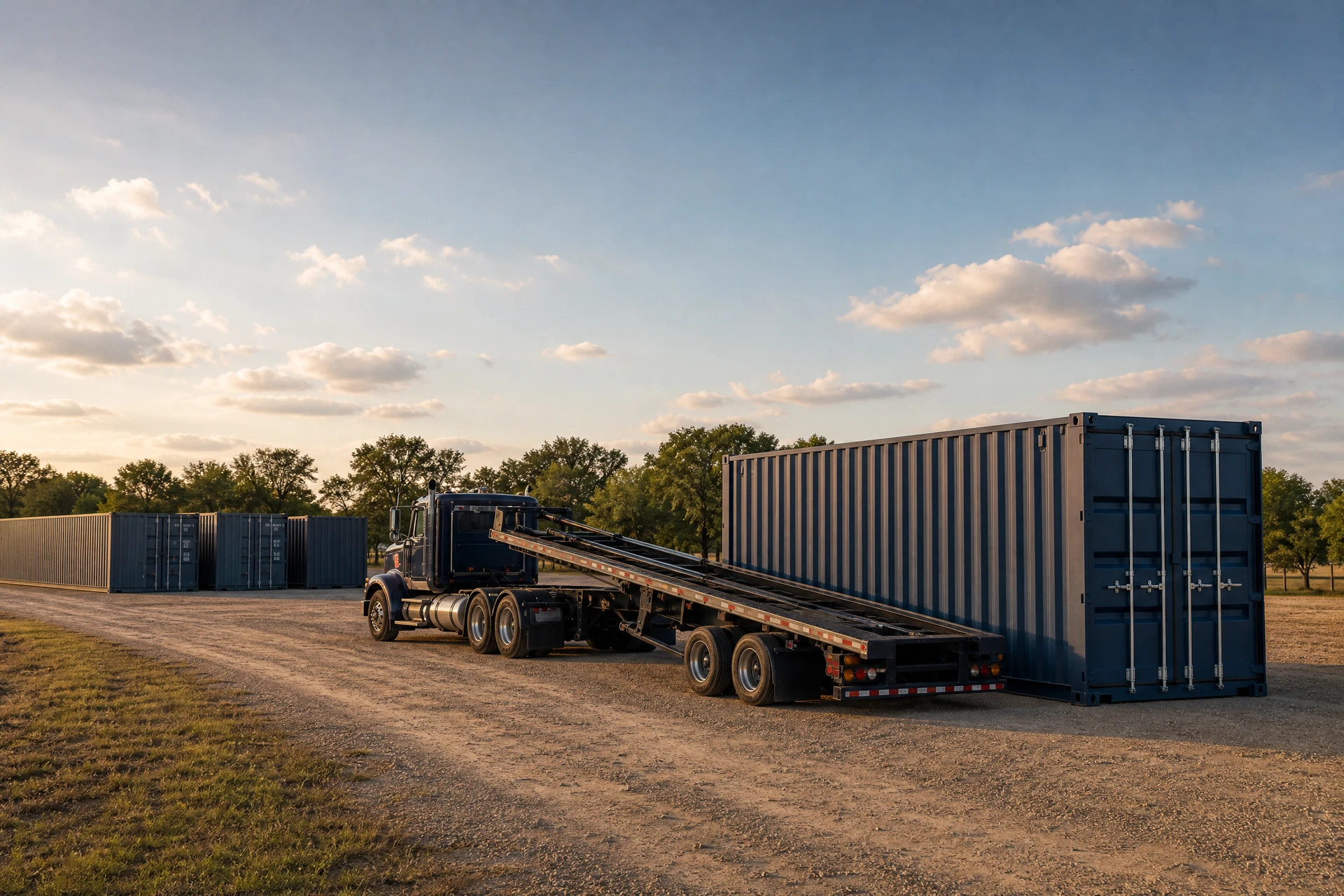
Built for Texas
Required before every move
The container must be completely empty.
If anything remains inside, the owner is responsible for all items and content-related damage. Connex Cowboys and the driver do not accept responsibility for contents or content-related damage, subject to applicable law and the final written agreement.
3
Experienced drivers
Three highly experienced drivers who can get the job done right.
Our drivers serve individuals, businesses, ranchers, contractors, property owners, and anyone else who needs a container moved. They bring practical experience to loading, hauling, access decisions, and placement. Every move remains subject to the empty-container, clearance, debris, access, and on-site safety requirements listed below.
Container Move Request
Tell us where the container is and where it needs to go.
Send your contact information and both addresses. We will review the route, access, container size, and site conditions before confirming availability or pricing.
Please read the moving requirements below. Sending this form does not schedule the move or guarantee that either site can be safely serviced.
Genuine moving reviews
What customers say about our moving work.
Every review shown here is either a verified Google Business Profile review or an owner-approved website testimonial specifically about container moving.
“Great communication, easy to work with, got our container moved smoothly without damage.”
“JB did a great job. He had great communication was timely, polite and got the box right wherd it needed to be. He made the move very relaxed.”
Site-readiness checklist
The driver needs a clean shot in and a straight path out.
A quote does not guarantee that a site can be serviced. The pickup and placement areas must remain accessible and clear when the driver arrives.
The container is completely empty before the driver arrives.
The truck has a clean, straight approach to the container.
The truck and trailer can back directly to the container and pull straight away.
Nothing is beside, attached to, or leaning against the container.
The pickup area, destination, and travel path are clear of debris and obstacles.
The owner has identified septic tanks, septic lines, sprinkler systems, and other known underground features.
The ground and access route are firm, stable, and safely drivable for the truck and trailer.
A 20-foot container has approximately 30 feet of clear, straight pull-away space.
A 40-foot container has at least 60 feet of clear pull-away space.
Photos or video show the complete pickup and placement areas before scheduling.
20-foot container moving disclaimer
30 FT
Approximate clear, straight pull-away space.
A 20-foot container needs roughly 30 feet of clear space for the truck to pull straight away. The container must be completely empty. The approach, backing path, pull-out path, pickup area, and placement area must be accessible and clear of debris. Nothing may be attached to, beside, or leaning against the container.
If anything remains inside, the owner is responsible for all items and content-related damage. Connex Cowboys and the driver do not accept responsibility for contents or content-related damage, subject to applicable law and the final written agreement. An additional fee applies when items remain; the amount is confirmed directly.
40-foot container clearance
60 FT
Minimum clear pull-away space.
A 40-foot container requires at least 60 feet of unobstructed clearance when the truck pulls away. This is in addition to a clean approach and enough space for safe backing and alignment.
Nothing around the container.
Remove boards, tools, pallets, fencing, equipment, trash, vegetation, cables, hoses, personal property, and anything attached to or leaning against the container. The area around the container must be open enough for the driver to inspect, align, load, and pull away safely.
Ground conditions and underground features
The owner must know what is under the truck route.
Before the driver arrives, the property owner or customer must identify and clearly communicate the location of septic tanks, septic lines, sprinkler systems, and other known underground features at the pickup site, along the access route, and at the placement area.
Firm, stable, drivable ground is required.
The truck route, loading area, and placement area cannot be sandy, muddy, soft, washed out, saturated, unstable, or otherwise undriveable. Known ground hazards must be disclosed before scheduling. The owner must not direct the driver across an area that cannot safely support the truck and trailer.
The driver has final authority to stop, refuse, or reschedule the move when safe access is not available.
Stuck-truck and recovery costs.
If the truck becomes stuck because of undisclosed, unstable, sandy, soft, or other site conditions outside the driver’s control, the owner must provide a safe method to recover the truck or pay the applicable wrecker, towing, and recovery fees.
This liability and recovery-cost language is subject to applicable law and the final written agreement. Wrecker and recovery charges depend on the actual service required.
Before we schedule
Send clear photos or video of both sites.
Current visuals help Connex Cowboys review access before dispatch. They do not replace the driver’s final on-site safety decision.
Your photos or video must show:
All four sides of the container
The doors and the empty interior
The truck’s approach and backing path
The straight pull-away path from the container
The full 60-foot clearance area for a 40-foot container
Trees, structures, fences, gates, overhead lines, turns, slopes, soft ground, and debris
Marked septic tanks, septic lines, sprinkler systems, and other known underground features
The destination approach and final placement area
How a moving request works
Step 01
Send both locations
Provide the pickup address, destination, container size, and preferred timing.
Step 02
Show the access
Send current photos or video of the container, approach, pull-away path, destination, and surrounding area.
Step 03
Empty and clear it
Remove all contents, debris, attachments, and anything beside or leaning against the container before arrival.
Step 04
Driver confirms safety
Final loading, placement, or refusal is based on actual site conditions and the driver’s safe-access determination.
Authentic job gallery
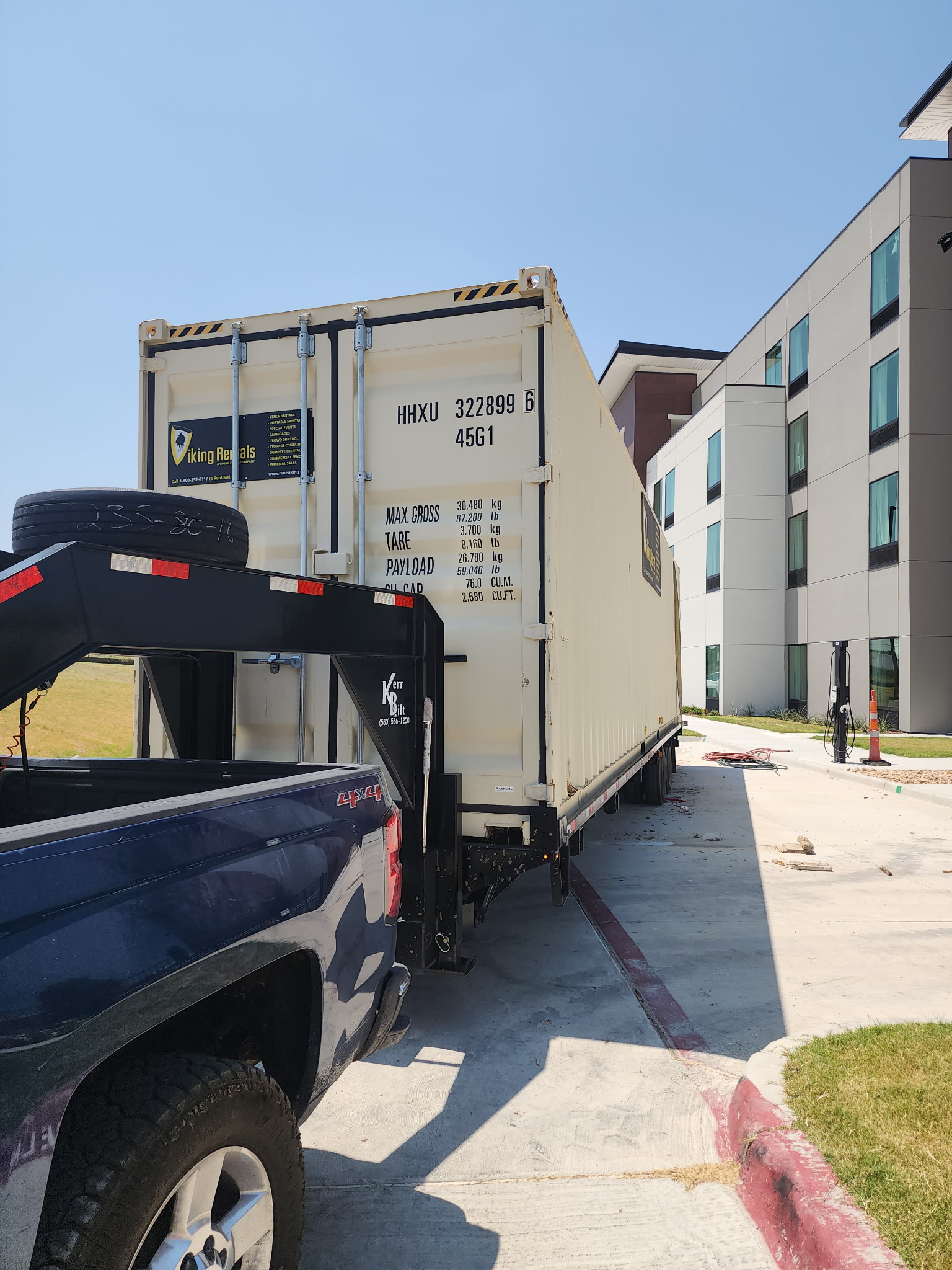
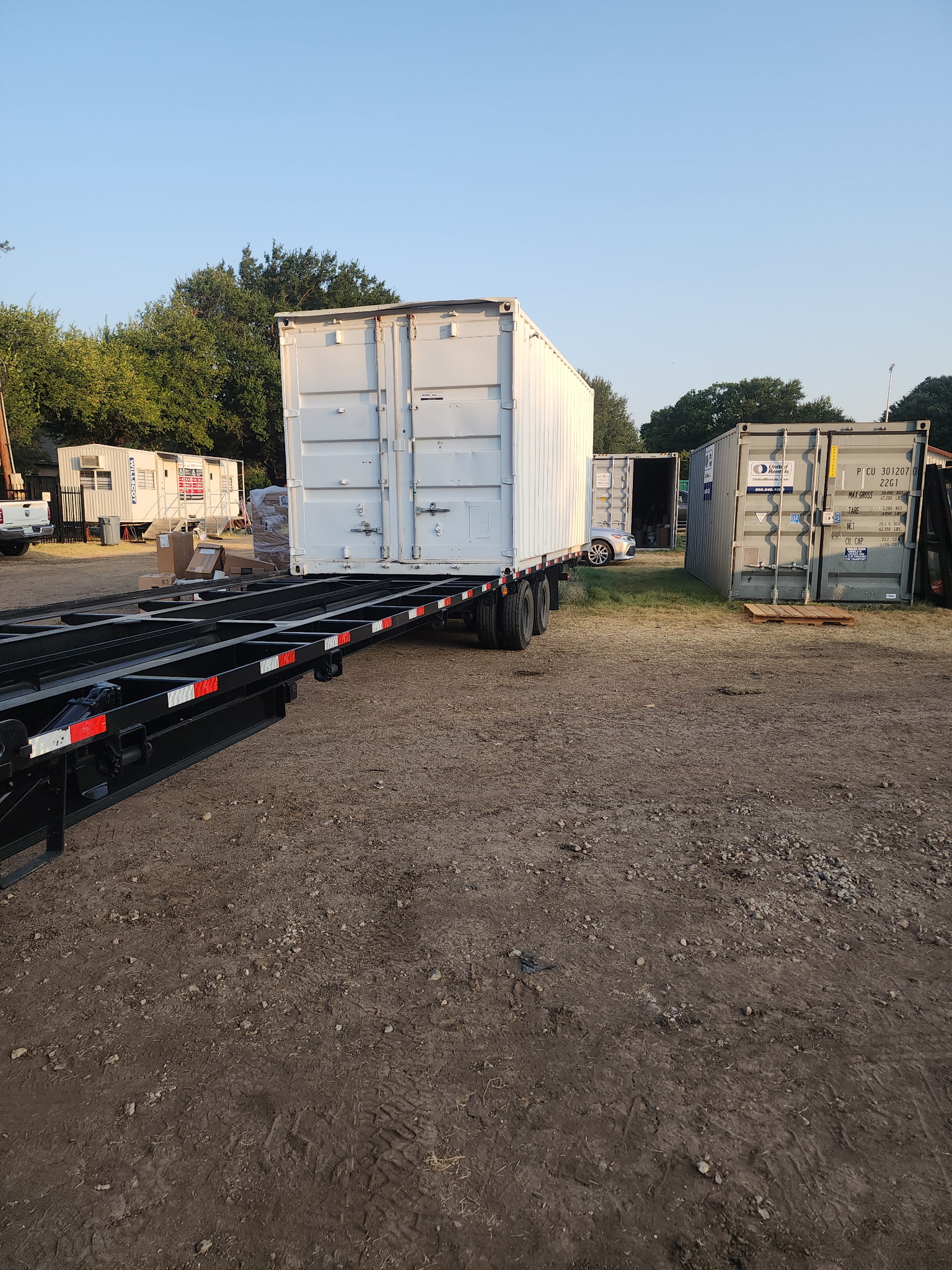
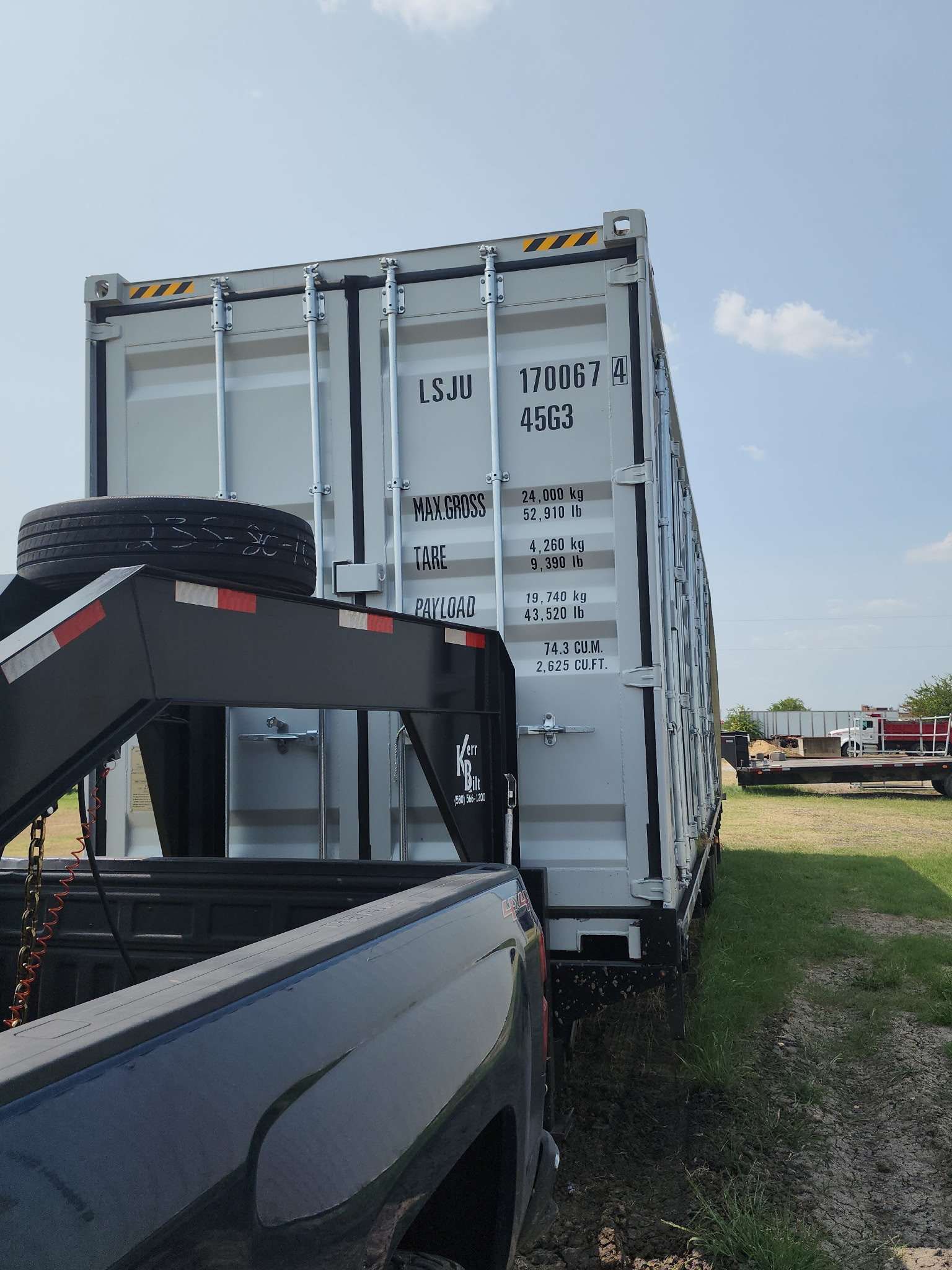
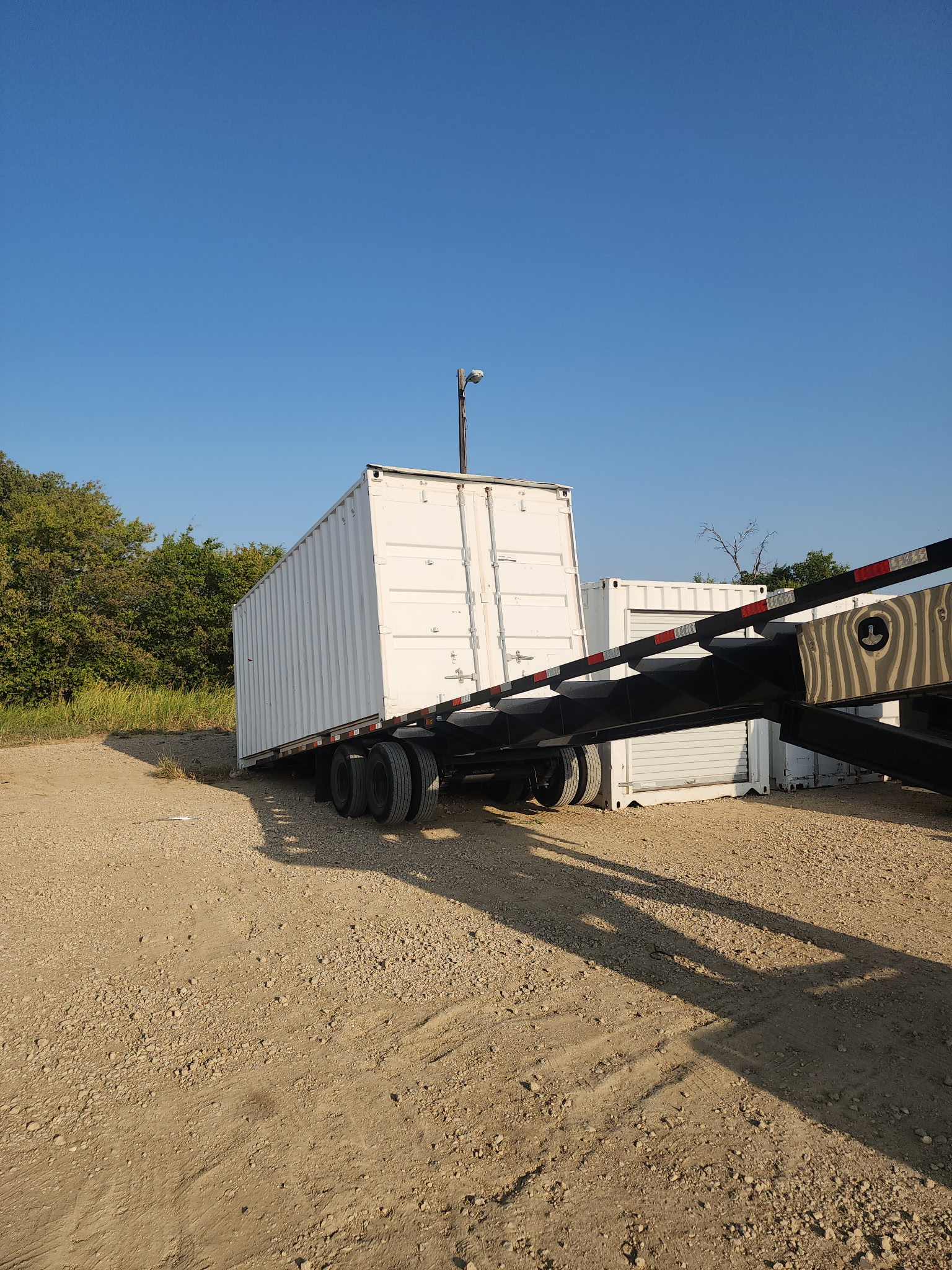
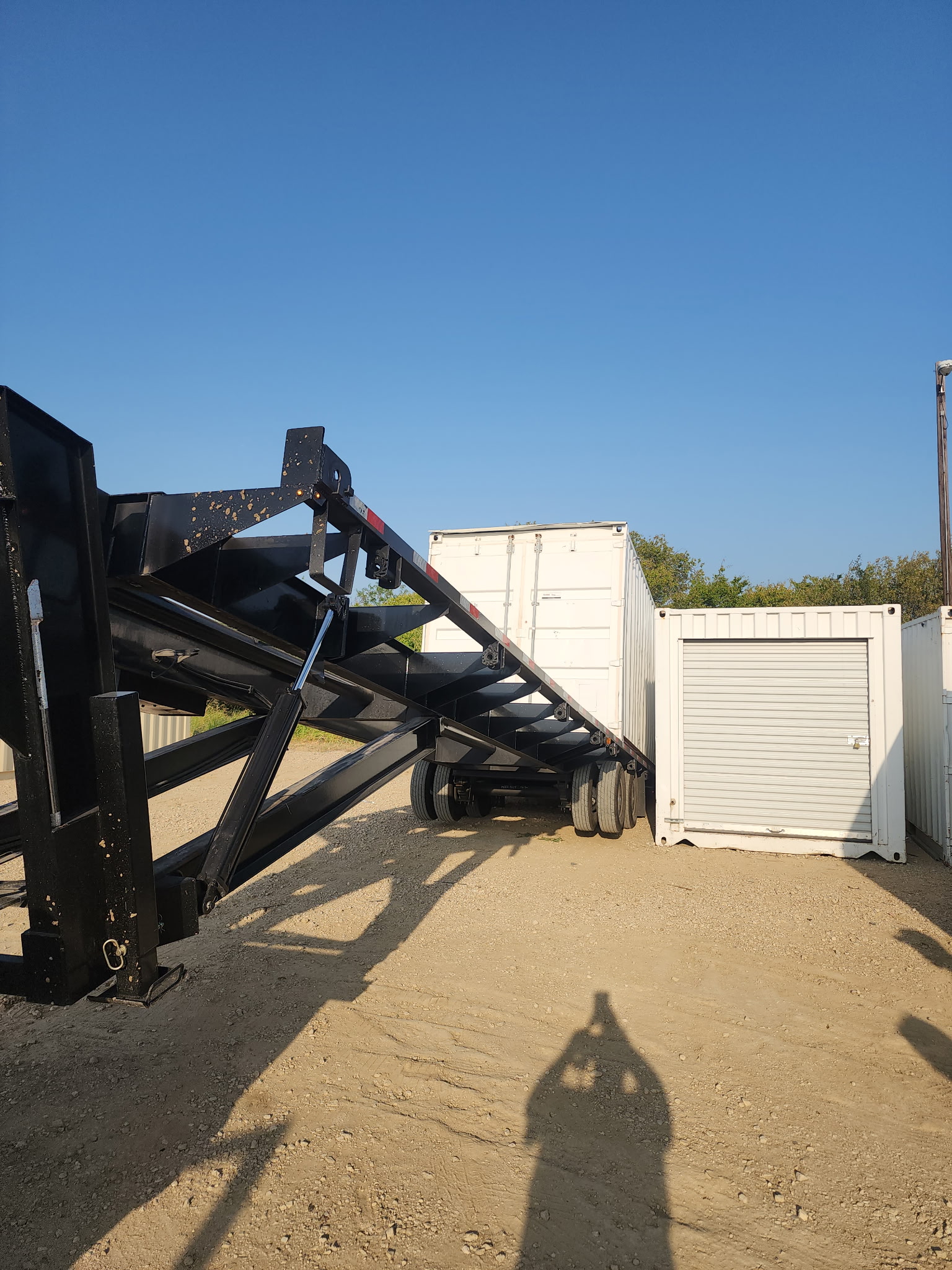
Real container moving work.
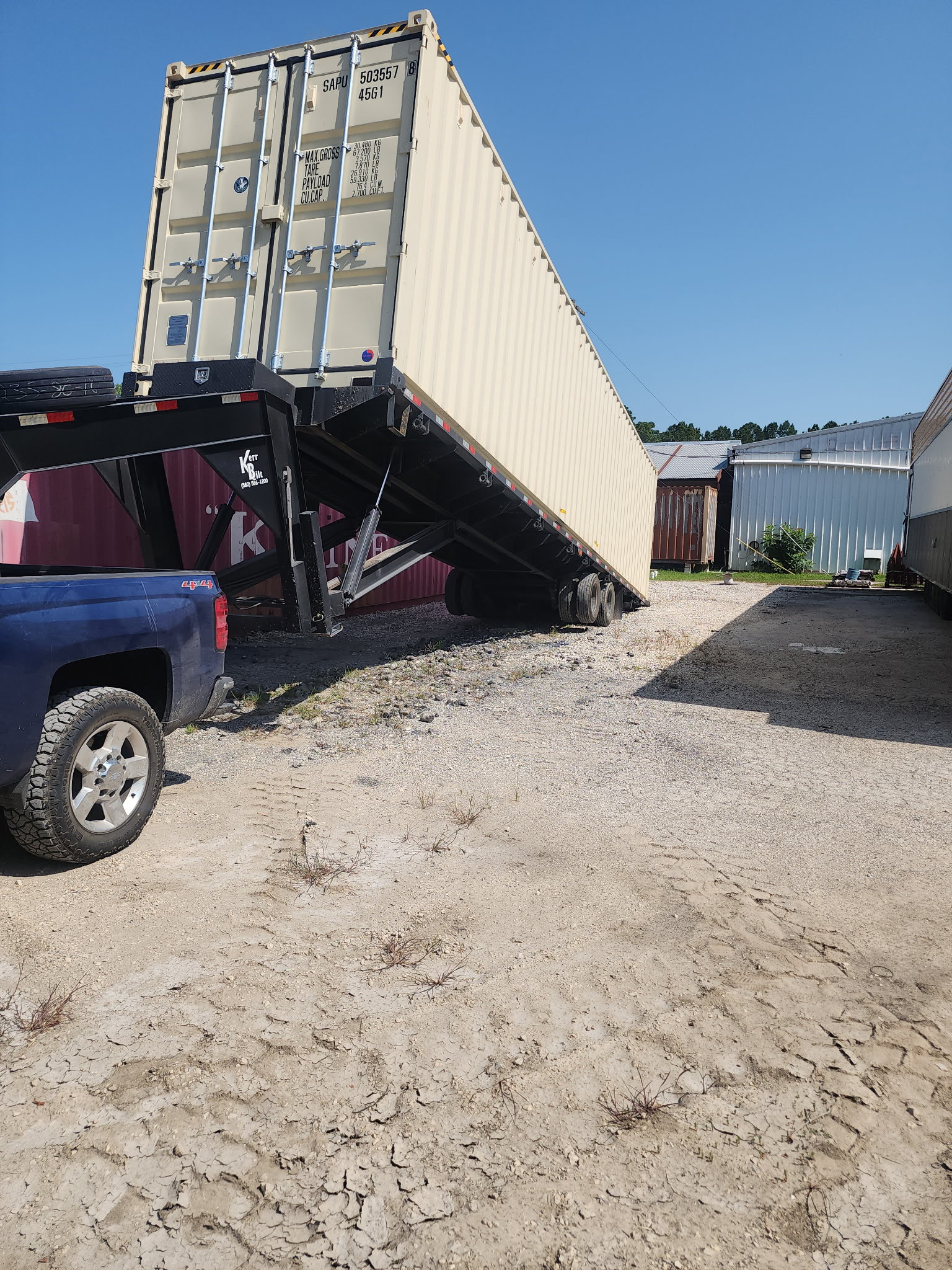
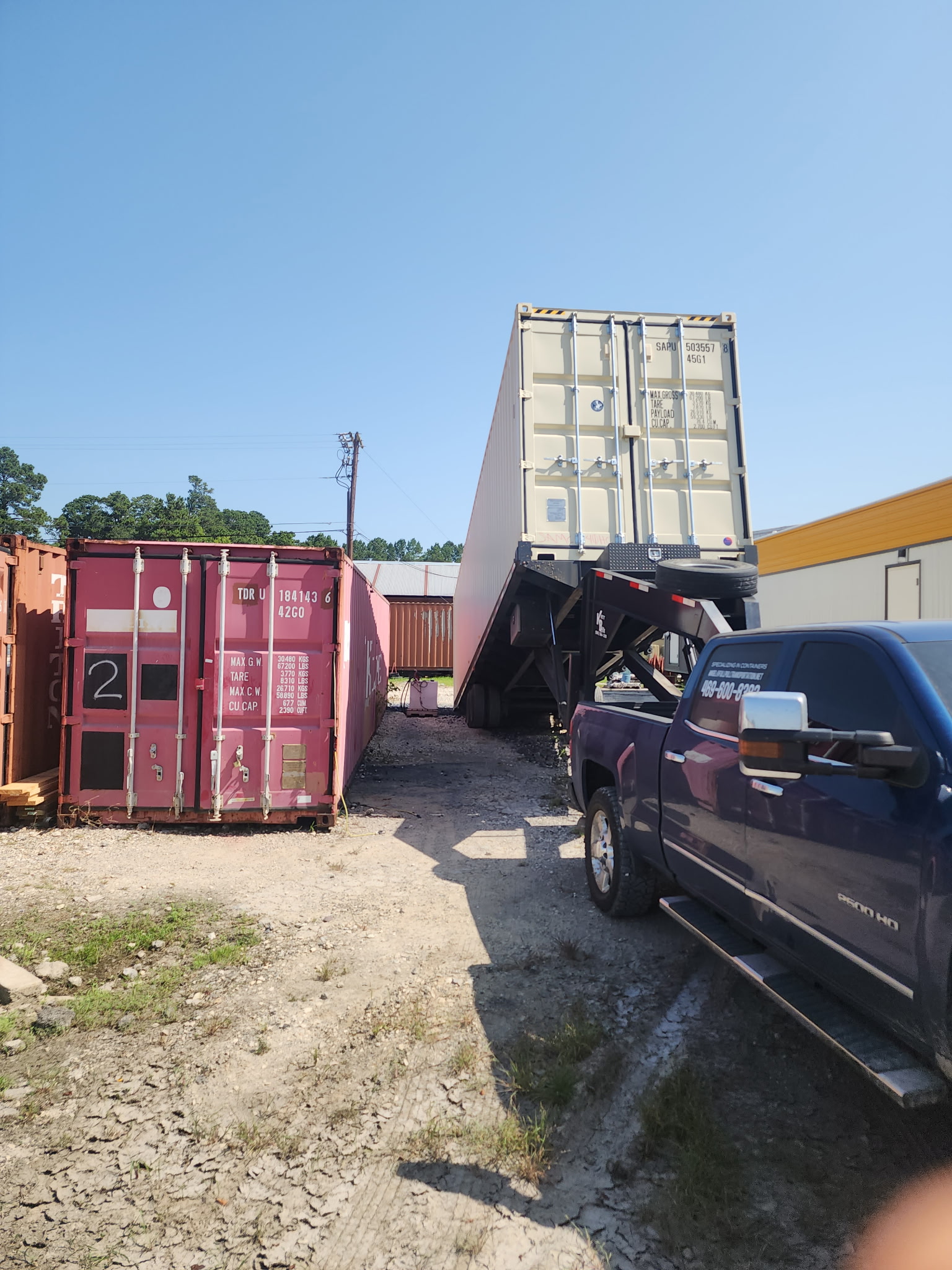
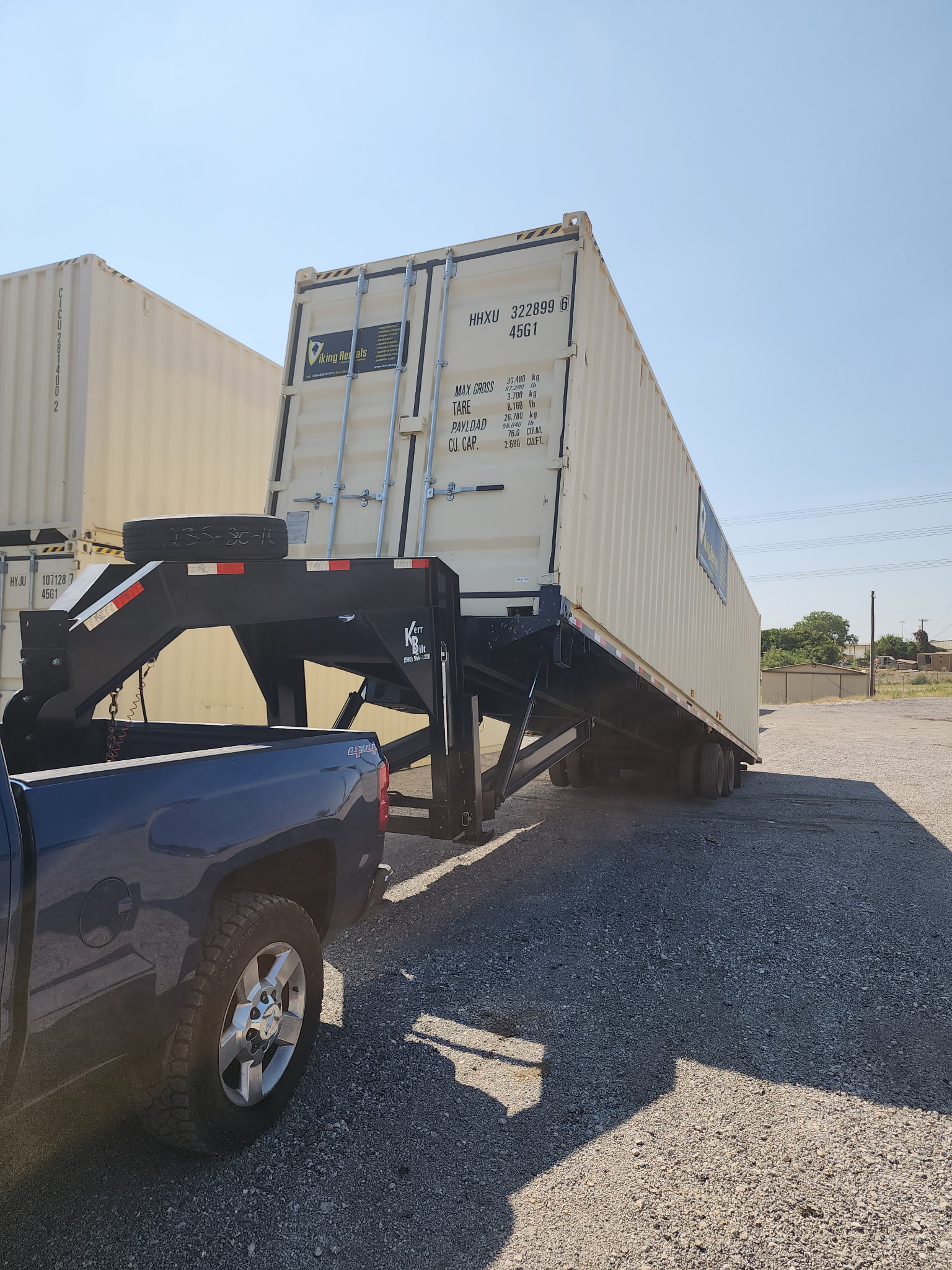
These 38 unique photographs were supplied by Connex Cowboys and show real loading, hauling, access, and placement work. Tap any image to view it larger.
Showing 8 of 38
Request a container move
Send both addresses, the container size, and site photos.
If items remain inside, an additional fee applies. The exact fee amount is not yet published and must be confirmed directly with Connex Cowboys.